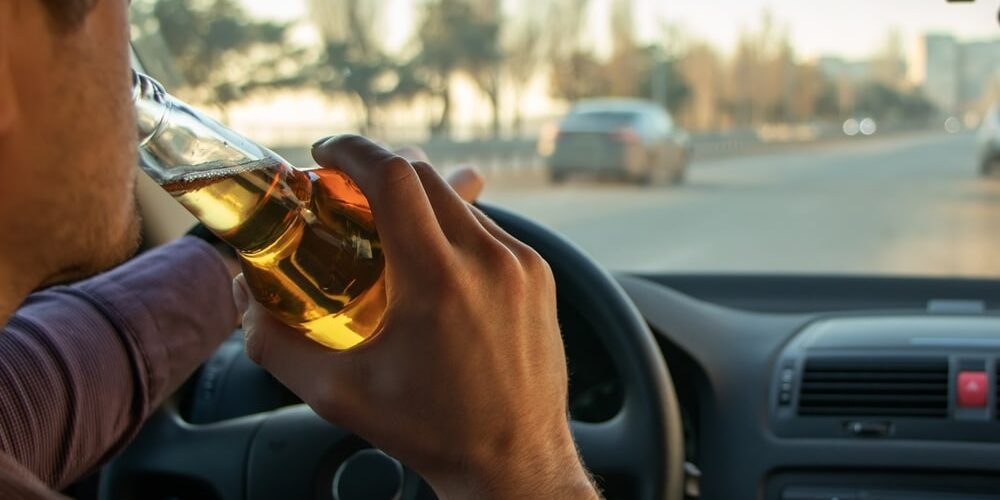
Getting pulled over on suspicion of drunk driving is one of the most stressful moments a person can face. In the middle of that stress, most drivers make choices in the first few minutes that end up shaping the entire outcome of their case. Understanding what the law actually requires, and what it does not, can make the difference between a manageable resolution and months of unnecessary difficulty.
At Friedman Law Firm, with more than 70 years of combined experience serving clients across Michigan, we have seen the same misconceptions come up again and again. Here is what most people get wrong about DUI stops in Michigan, and what you need to know instead.
The Moment You’re Pulled Over: What Not to Say
The most common mistake happens before the officer even asks a formal question. Drivers often say something like, “I only had a couple drinks,” believing that honesty or a casual tone will work in their favor. It does not. Any admission of drinking, no matter how minor it seems, gets written directly into the police report. That statement then becomes the officer’s justification for requiring field sobriety tests and building a case against you.
The better approach is simple: say as little as possible. You are not required to describe your evening, explain where you were coming from, or answer questions about alcohol consumption. The less you say, the more room your attorney has to challenge the evidence later. Silence is not an admission of guilt. It is a way of protecting your rights before your case has even begun.
Implied Consent and the Breath Test You Cannot Refuse
One of the most persistent misconceptions is that a driver has the right to refuse any breath test during a DUI stop. Michigan operates under implied consent laws, which means that simply by driving on a Michigan road, you have already agreed to certain testing requirements if you are lawfully arrested on suspicion of drunk driving.
This is where it becomes important to understand the difference between two very different tests. The preliminary breath test, or PBT, is given roadside. It is never calibrated and is not admissible as evidence in court. Its only real function is to help the officer establish probable cause for an arrest. The chemical breath test administered at the police station, often called the intoxilyzer, is a different matter entirely. It is calibrated every 60 days and is fully admissible in court. If you refuse that test, your license will be automatically revoked for an entire year, regardless of whether your attorney can ultimately win your underlying case.
In situations involving a blood draw instead of a breath test, the same principles around evidence still apply. If the police or prosecution fail to follow the proper chain of custody when handling that sample, that failure can become an opening to keep the evidence out of your case altogether.
Field Sobriety Tests: The Ones You Are Allowed to Decline
Unlike the station breath test, the field sobriety tests performed on the roadside, including the PBT, are not mandatory. Most people do not realize this. When an officer asks you to walk in a straight line, stand on one leg, or follow a pen with your eyes, you are being asked to voluntarily provide evidence of impairment. You are allowed to decline.
This does not mean you should be confrontational or difficult. Being polite and cooperative with the officer is always the right approach, and it can genuinely help your case later. When we review a police report, a client’s good behavior and respectful demeanor during the stop can be used in your favor when there is no way to beat the case outright at trial. Refusing the field tests while remaining calm and courteous gives your attorney more to work with, not less. Without clear evidence of impairment from those tests, a conviction becomes far harder to secure.
The same logic applies if an officer fails to follow proper arrest procedure. When evidence is collected improperly, whether that involves the tests themselves or the circumstances of the stop, it may become inadmissible. If there is no valid evidence against you, a conviction becomes very difficult to obtain.
What a First Offense Actually Carries
Many drivers assume that any DUI conviction automatically means significant jail time. In Michigan, a first-time drunk driving conviction does carry a maximum penalty of 93 days. However, a maximum is not the same as a guaranteed sentence. By hiring a lawyer, analyzing the specifics of your case, and evaluating your prior record along with the facts and circumstances surrounding the stop, it is often possible to avoid jail time altogether. Many first-time clients are sentenced to a term of probation instead.
The stakes rise considerably for a super drunk driving charge, which applies when a driver’s blood alcohol content exceeds a higher threshold. In addition to facing up to a full year in jail, the Secretary of State may require the installation of an ignition interlock device in your vehicle. This device requires you to breathe into it before your car will start, and it can require additional tests while you are driving. For many people, this requirement feels invasive and humiliating on top of everything else they are already managing.
It is also worth remembering that the two statements most likely to hurt your case, saying it was only a couple drinks or that you are just feeling buzzed, will be memorialized in the police report the moment you say them. Both statements can and will be used against you as your case moves through the court system.
Why the Right Defense Changes the Outcome
Every DUI case in Michigan comes down to the same central question: what evidence actually exists, and was it obtained properly? From the moment of the stop through the collection of breath, blood, or field sobriety evidence, there are multiple points where an experienced defense can challenge what the prosecution presents. Understanding implied consent, knowing which tests you can decline, and recognizing the difference between a maximum penalty and a likely outcome all matter far more than most drivers realize in the moment they are pulled over.
If you or someone you know is facing a DUI charge anywhere in Michigan, you do not have to face the process alone or without a clear understanding of your options.